Category: Uncategorized

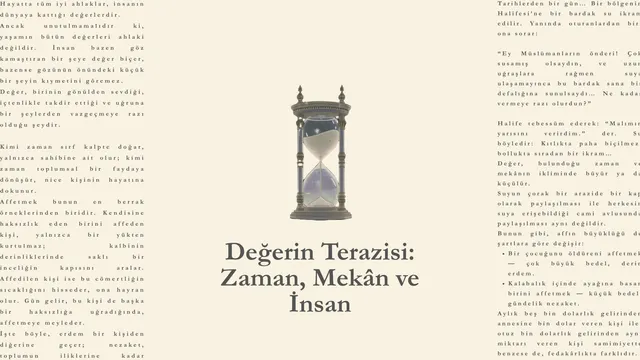
Our Values: Time, Space, and Human

All good morals in life are values that humans add to the world.
However, it should not be forgotten that not all values in life are moral. Sometimes humans value something dazzling, and sometimes they cannot see the value of something small right in front of their eyes.

Value is something one loves wholeheartedly, appreciates sincerely, and is willing to give up something for.

Sometimes it is born solely in the heart, belonging only to its owner; sometimes it turns into a social benefit, touching the lives of many people.

Forgiveness is one of the clearest examples of this. A person who forgives someone who has wronged them not only gets rid of a burden; they open the door to a subtlety hidden deep within their heart. The forgiven person feels the warmth of this generosity and admires it. One day, when this person is wronged again, they tend to forgive.

Every glance, every hesitation in the video is a heart's debate with itself. Before lightening the burden it carries, a person also weighs their own burden. The forgiving person does not just get rid of a burden; they also lighten a world.

Thus, virtue passes from one person to another; kindness permeates the very fabric of society. Indeed, our Lord says, “Repel evil with that which is better. And thereupon the one whom between you and him is enmity [will become] as though he was a devoted friend.” (Fussilat, 34).

The Scale of Water and Time

One day in history… A cup of water is offered to the Caliph of a region. One of those sitting next to him asks him:

“O leader of the Muslims! If you were very thirsty, and after much effort you could not reach water, and this cup was offered to you just once… How much would you be willing to give?”

The Caliph smiles and says: “I would give half of my wealth.”

Water is like this: priceless in scarcity, an ordinary offering in abundance…

Value grows or shrinks in the climate of its time and place. Sharing water as a vessel in arid land is not the same as sharing it in the courtyard of a mosque where everyone can access water.

Similarly, the magnitude of forgiveness can vary depending on the circumstances:

  • Forgiving the murderer of one's child — a great price, profound virtue.
  • Kalabalık içinde ayağına basan birini affetmek — küçük bedel, gündelik nezaket.

Aylık beş bin tl gelirinden annesine bin tl veren kişi ile, otuz bin tl gelirinden aynı miktarı veren kişi samimiyette benzese de, fedakârlıkta farklıdır.

İnsan, değer biçerken bazen kendi iradesi dışında bile teraziyi eğebilir.

Değer dediğimiz şeyin ölçüleri vardır; standartları ve sınırlamaları…
Bazı ölçüler eylemlerde, bazıları zevklerde, bazıları ilişkilerde ortaya çıkar.

  • Kimi için kumar çirkin bir illetti,
  • Kimi için masum bir eğlence,
  • Kimi için yüksek tavanlı bir cami huzuru,
  • Kimi için alçak tavanlı bir oda samimiyeti…

Algının Mimarisinde Değer

Değerler, yalnızca davranışlarda değil, çevremizi algılama biçimimizde de kendini gösterir. Çünkü insan, dış dünyayı da kendi iç terazisiyle tartar. Bu yüzden algı, hem değer biçmenin hem de onu dönüştürmenin görünmez eli gibidir. Mekân da bu algının en somut hâlidir; içinde yaşayanın ruhuna göre anlam kazanır.

Evimizdeki üç metrelik yükseklik ile kubbesi elli metreyi aşan bir camide bulunmak aynı ruh halini vermez. Ölçek, mimaride yalnızca boyut değil; insanın bakışını, ufkunu genişleten bir unsur…

Düşünürsek, Mimar Sinan’ın Erciyes Dağı’ndan getirdiği taşları İstanbul’a dikmesi sadece mühendislik değil, aynı zamanda ruhun mimarisidir. Taşlar onun elinden kelimeler gibi dizilir; her biri bir cümle, her biri bir dua taşır.

İnsanoğlu önce kendine birkaç kişinin sığınacağı bir mekân yaptı. Sonra aile apartmanları derken göğü delen gökdelenlerden konutlara doğru devam etti… Yükseldikçe ölçek değişti, ama huzur her zaman aynı ölçüde çoğalmadı.

Bakış açısı dediğimiz kavram, mekânla doğrudan ilişkilidir. Kendi boyunuza yakın binaların olduğu bir sokakta yürümekle çatısını göremediğiniz binaların arasında yürümek, zihnin kapılarını farklı açar. Mekânın ölçeği bizi bazen dar bir odanın dinginliğine davet eder, bazen gökyüzüne baktırır.

Tüm bunlardan sonra, belki asıl soruyu kendimize sormalıyız:
Biz değerleri mi ölçeğe sığdırıyoruz, yoksa ölçekler mi bize değer biçiyor?
Bir iyiliğin kıymetini belirlerken, onun bedeline mi, samimiyetine mi bakıyoruz?
Ve biliyor muyuz ki, gerçek değer ancak Allah katında tam olarak bilinir…

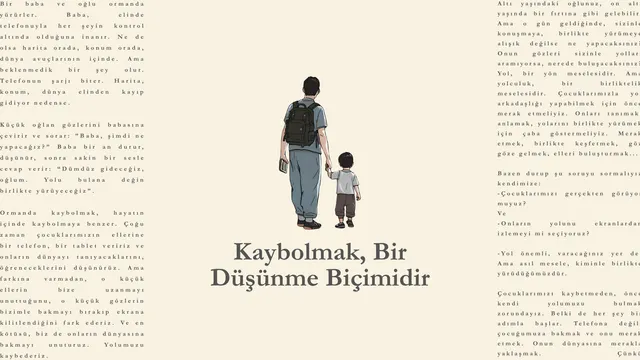
Kaybolmak, Bir Düşünme Biçimidir

Bir baba ve oğlu ormanda yürürler. Baba, elinde telefonuyla her şeyin kontrol altında olduğuna inanır. Ne de olsa harita orada, konum orada, dünya avuçlarının içinde. Ama beklenmedik bir şey olur. Telefonun şarjı biter. Harita, konum, dünya elinden kayıp gidiyor nedense.

Küçük oğlan gözlerini babasına çevirir ve sorar: ”Baba, şimdi ne yapacağız?” Baba bir an durur, düşünür, sonra sakin bir sesle cevap verir: “Dümdüz gideceğiz, oğlum. Yolu bulana değin birlikte yürüyeceğiz”. 

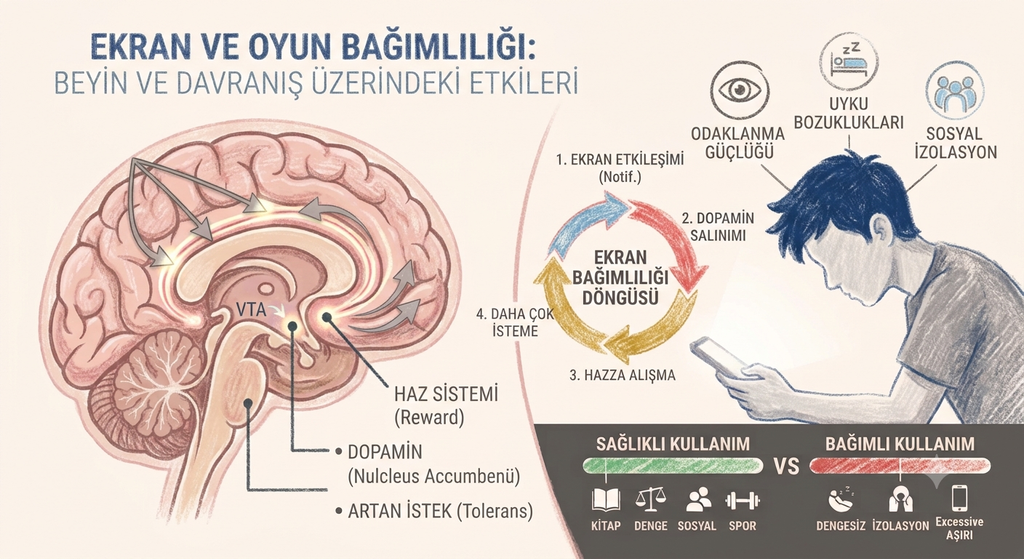
Getting lost in the woods is like getting lost in life. Most of the time, we give our children a phone, a tablet, thinking they will discover and learn about the world. But without realizing it, we notice those little hands forgetting to reach out to us, those little eyes stopping to look at us and getting fixed on the screen. And worst of all, we forget to look into their world. We lose our way. 

Your six-year-old son might arrive like a storm at sixteen. But when that day comes, what will you do if he is not accustomed to talking to you, to walking with you? If his eyes are not seeking paths with you, where will you meet? 

The path is a matter of direction. But the journey is a matter of togetherness. To be able to journey with our children, we must first be curious. We must strive to know them, understand them, and walk their paths together. Being curious, exploring together, making eye contact, joining hands… 

Sometimes we must stop and ask ourselves this question:

  1. How do I truly see my child? (Without judgment)
  2. Can I watch his path through screens?

The path is important, and so is your destination. But the real issue is who we walk with. 

 Before we lose our children, we must first find our own way. Perhaps everything starts with a step. Looking at our child, not the phone, and being curious about them. Approaching their world with curiosity. Because when we are lost, it is those little hands walking with us that truly guide the way. 

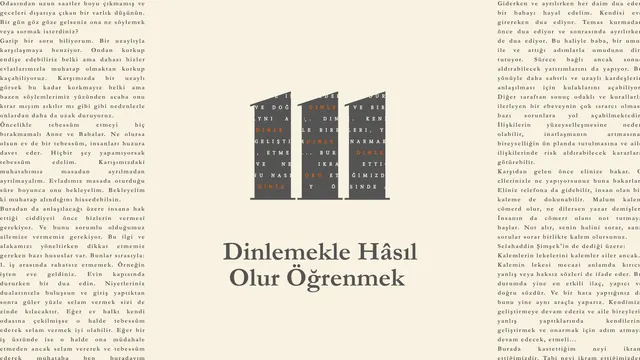
Journey from 'Me' to 'Us' in the Family Series (3/3) Learning Happens Through Listening

Learning happens through listening
One must listen if they wish to know.
Tâhir ul Mevlevî

To understand and see, one must first listen and read. To listen and read, one must have intention and observation. So, in fact, every endeavor is born from a prayer. Birth, death, separation, and meeting… All of these are prayers. One should pray when meeting and when parting.

Family members should pray for each other first. This is the only value that will bring together the numbers 1, 1, 1 like the number 111. If our hopes and our bonds are one, then hands and hearts begin to clasp. Let us try together to grow the ears we carry, which we proudly call small. 🙃

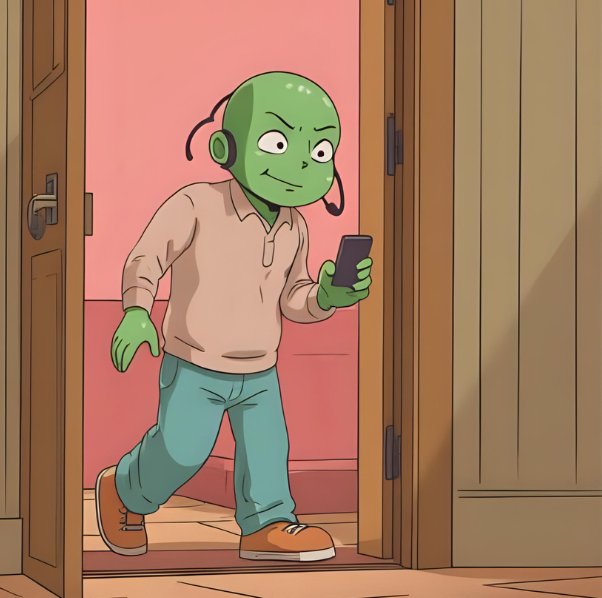
Imagine a being who hasn't left their room for many hours and only goes out at night. If you were to make eye contact with them one day, what would you want to say or ask? Here is an example similar to them below 🙂

Garip bir soru biliyorum. “Bir uzaylı gördüm!!” diyebilirsiniz. Aslında bu durum, evlatlarımızla iletişim kurmaya benziyor. Ondan korkup endişe edebiliriz belki, ama daha da ötesi şu: Bizler, en yakınımız olan çocuklarımızla muhatap olurken onlarla yüzleşmekten çoğu zaman daha çok korkuyoruz. Karşımızda gerçekten bir uzaylı olsa belki bu kadar ürkmeyeceğiz ama evlatlarımızla konuşurken, “Acaba onu kırar mıyım, sıkılır mı?” diye kaygılanarak onlardan daha da uzaklaşabiliyoruz.

Bu yüzden anne ve babalar, ne olursa olsun tebessüm etmeyi bırakmamalı. Çünkü tebessüm, sadece dudaklarımızın kıpırdanması değil; muhatabımıza, “Ben buradayım, seninle olmaktan mutluyum” mesajını ileten en doğal dildir. Evde bir tebessüm, kapıyı aralayan bir anahtar gibidir. İnsanları huzura davet eder.

Ama tek başına tebessüm yetmiyor. Onu, muhatapla geçirilen vakitle desteklemek gerekir. Gülümserken bir yandan da çocuğumuzla aynı masada oturabilmek, o tebessümün kalbe dokunmasını sağlar. Bazen hiçbir söz söylemesek bile, masadan ayrılmadan onunla birlikte oturmak, evladımıza, “Sen değerlisin, seninle burada kalmayı seçiyorum” demektir. Bu yüzden evladımız masada oturduğu süre boyunca onu beklemek önemlidir. Bekleyelim ki, muhatap alındığını hissedebilsin.

Buradan da anlaşılacağı üzere insana hak ettiği ciddiyeti önce biz vermeliyiz. Ve bunu sorumlu olduğumuz ailemize vermemiz gerekiyor. İlgi ve alakamızı yöneltirken ise bazı hususlara dikkat etmeliyiz. Mesela iş arasında rahatsız etmemek… İşten eve geldiğinizde kapıda durup dua edin. Niyetleriniz dualarınızla buluşsun. Sonra içeriye girerken güler yüzle selam vermek sizi de zinde kılacaktır. Eğer ev halkı kendi odasına çekilmişse tebessüm ederek selam vermek iyi olabilir. Eğer bir işle meşgulse, ona müdahale etmeden selam vermek ve tebessüm etmek, “Ben buradayım” mesajı verecektir.

“Yav kardeşim, öyle iş mi olur? Biz eve geldiğimizde hazır ola geçiyorlar” diyebilirsiniz. Ama her ev aynı düzen ve tertip içinde dönmediği için genelleme yapmak uygun olmaz.

Şimdi hayal edelim: Giderken ve ayrılırken her daim dua eden bir baba… Eve girerken dua ediyor, temas kurmadan önce dua ediyor, ayrılırken de dua ediyor. Böyle bir baba umutla atıyor adımlarını ve umudunu diri tutuyor. Sürece bağlı, sonuçtan ziyade yatırımına odaklanıyor. Bu haliyle daha sabırlı oluyor, evlatlarını anlamak için kulaklarını açabiliyor. Öte yandan sadece sonuç odaklı ve kurallarla ilerleyen bir ebeveynin çok ısrarcı olması bazı sorunlara yol açabiliyor. İlişkilerin yüzeyselleşmesine, inatlaşmaların artmasına, bireyselliğin aşırı ön plana çıkmasına ve aile ilişkilerinde riskli kararların doğmasına sebep olabiliyor.

Unutmayalım: Karşıdan gelen önce elinize bakar. O ellerinizle ne yapıyorsunuz, buna bakar. Eliniz telefona da gidebilir, bir kaleme de dokunabilir. Malum, ‘kalem cömert olur; ne dilersen yazar.’ demişler. İnsanın da cömert olanı not tutmaya başlar. Not alır, senin hâlini sorar, sorular yöneltir, birlikte kalem olursunuz.

Selahaddin Şimşek’in de dediği gibi: “Kalemlerin lekelerini kalemler siler.”

Kalemin lekesi mecazi anlamda kırıcı, yanlış ya da haksız sözleri de ifade eder. Bu durumda en etkili ilaç yine yapıcı ve doğru sözdür. Bir hata yaptığımızda da aynı araçla, yani sözle ve kalemle onarırız. Kendimizi geliştirmeye devam ederiz. Aile bireyleri de yanlış yaptıklarında kendilerini geliştirmek ve onarmak için adım atmaya devam edecek, etmelidir.

Burada kastettiğim şey aslında neyi ikram ettiğimizdir. Ama neyi ikram ettiğimizden daha da önemlisi, bunu nasıl ikram ettiğimizdir. İlettiğimiz mesaj, bizim olma ve yapma hâlimizin ötesinde, özün çoğalmasına vesile olur. Birler yan yana geldikçe (1111) bir aileye dönüşürler. Bizim bakışımız, ayrıştırmak yerine birleştiren bir yöne akarsa inşallah hayırlı bir topluluk oluruz.

Bu yüzden kıymet bilmeyenlerle cem olmamak gerekir. Özellikle de gençlerin bir arada oldukları yerlerde bu gibi insanlar, bütün bir gençliğin umudunu, vaktini ve enerjisini sömürmekten başka bir işe yaramaz. Dolayısıyla kıymet bilen bir ebeveyn olmamız, önce çocuklarımıza nasıl yaklaştığımızla görülecektir vesselam.

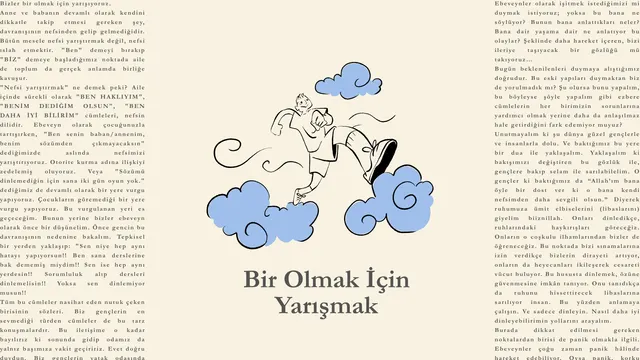
Aile içinde benden biz e yolculuk serisi (2/3) Birlikte Yarışmak mı Kendimizi Yarıştırmak mı?

Allah (c.c) şöyle buyuruyor:

Hayır işlerinde yarışınız!…” (Bakara, 148)
Onlar hayırda birbirleriyle yarışırlar…”(Âl-i İmrân, 114)

Bizler bir olmak için yarışıyoruz.

Anne ve babanın devamlı olarak kendini dikkatle takip etmesi gereken şey, davranışının nefsinden gelip gelmediğidir. Bütün mesele nefsi yarıştırmak değil, nefsi ıslah etmektir. “Ben” demeyi bırakıp “BİZ” demeye başladığımız noktada aile de toplum da gerçek anlamda birliğe kavuşur. Bir yolcunun deyişiyle: “nefsini yarıştıranlar başkalarıyla yarışıyor, nefsini ıslah edenler birbirine sarılıyor.”

What does it mean to "compete with the ego" then? In a family, the constant phrases of "I AM RIGHT," "I WANT MY WAY," "I KNOW BETTER" are the language of the ego. As parents, when we argue with our child, saying "I am your father/mother, you will not disobey me," we are actually competing with our ego. In the name of establishing authority, we damage the relationship. Or when we say, "You have no playtime for two days because you didn't listen to me," we are constantly emphasizing something. We are emphasizing something that children cannot see. I will skip over this emphasized point. Instead, let's think first as parents. Let's first look at the reason for this behavior of the young person. Approaching it reactively: "Why do you always make the same mistake!! Didn't I tell you to focus on your studies!! But you are always in the same place!! You need to take responsibility and listen to your studies!! Or are you not listening!!"

All these sentences are the words of someone giving advice and lecturing. These kinds of conversations are also the type of sentences that we young people dislike the most. We might love this communication so much that we end up going to our rooms and spending time alone. Yes, you heard right. You might think that we young people enjoy hanging out alone in our bedrooms, but when we reach adulthood, we will suffer. Therefore, I will pay the price for not being able to escape this cycle you've trapped me in, once again, with my stance in the face of wrong decisions in the future. And as two, three, four pass, you will be able to look me in the face and laugh at a fading silhouette.

You just read the words of a young person. I know you felt sad seeing this perspective that a young person looks at, but that's how things work. As our reactive faces contort, the taste of that relationship becomes unbearable.

  • As an alternative to reforming the ego: "In this situation, we can both see valid points. How are you feeling, tell me. I will explain my own concerns to you. Let's find a solution together." Perhaps being able to say this is the concrete form of transitioning from 'I' to 'we'.

Or

  • Expressions like 'I'm sorry, I don't feel well, I'm unhappy' when describing feelings are clue expressions. When we say, 'I know you are unhappy and feeling down. I will help you,' we also indicate positive boundaries.

As we experience disconnects, our souls also grow cold. What covers us are not the visible, outward gifts; but the words, glances, and attentive listening that will carry us beyond the beyonds...

As parents, do we want to hear what we want to hear; or are we putting on glasses that will carry us forward, asking, 'What does this tell me? What does this explain to me? What do these events tell me about myself and about life?'

It is true that we are accustomed to hearing expectations today. Aren't we tired of hearing these old structures? Don't we realize that sentences like "If this happens, let's do that, if this is like this, let's do that" are making things more incomprehensible instead of helping with our problems?

Let's not forget that this world is full of beautiful young people and people. And let's approach this place we are looking at with a prayer. Let's approach so that with these glasses that change our perspective, we can look at the youth and embrace them with a greeting. Those young people, when we look at them, we should clothe our souls with hope by saying, "My God, give me a friend who is dearer to me than myself." With God's permission. As we listen to them, we will see the cries in their souls. We will learn from their enthusiastic inspirations. At this point, as we allow them to test us, our resilience increases, and their excitement doubles, giving courage form. In this regard, listening allows them to trust their essence. As you get to know them, you embrace their garments that will make their souls felt. Therefore, try to understand. And just listen. Let's look for ways to listen better.

One of the points to be careful about here is related to panic. Parents can often act in a state of panic. However, panic fuels the vein of fear (havf), leading to undesirable behaviors. Thus, while parents and young people are trying to escape a small trouble, they can throw their relationship into a bigger danger.

  • When your 17-year-old daughter comes home, her eyes are red, and it's clear she's been crying. When you ask, "What happened?" she says, "My best friend betrayed me, I can't trust her anymore." The parent's first reaction might be: "Forget it, I never liked that girl anyway. You focus on your studies, friendships pass." However, this reaction trivializes the girl's emotional world and leaves her alone. She may not want to share similar problems with you from now on.

Instead of panicking, approaching your child by saying, "You seem very upset. How do you feel in this situation? If you want, tell me a little, I'm listening to you" provides much more support. This approach makes your child feel that you are there for them when they need you and that you truly see them.

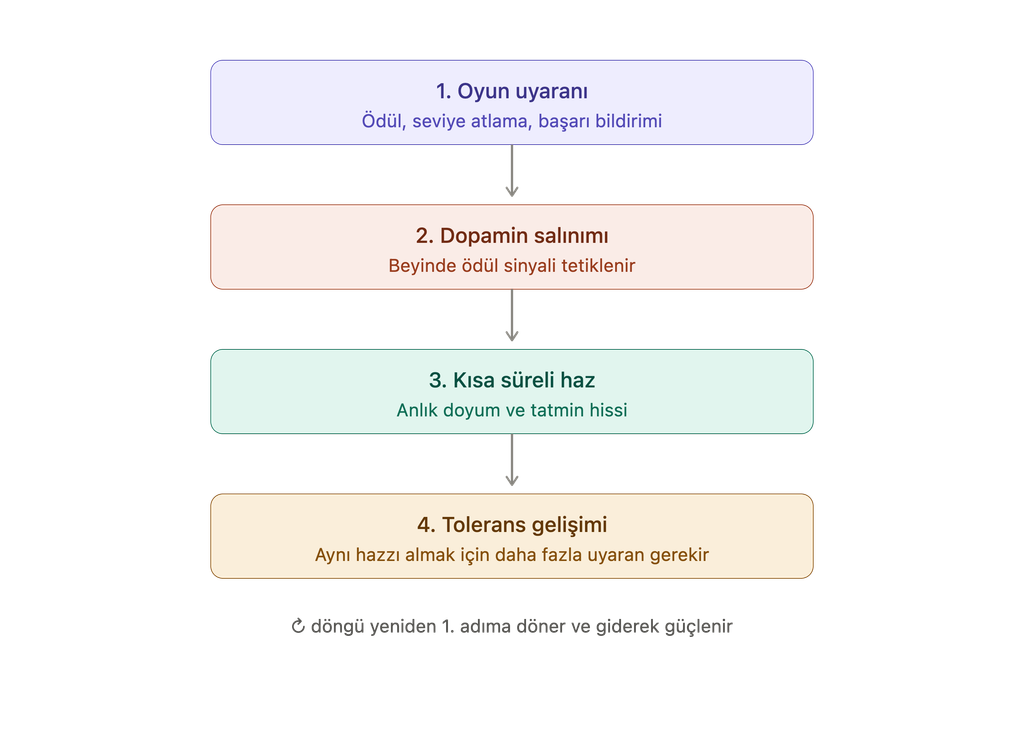
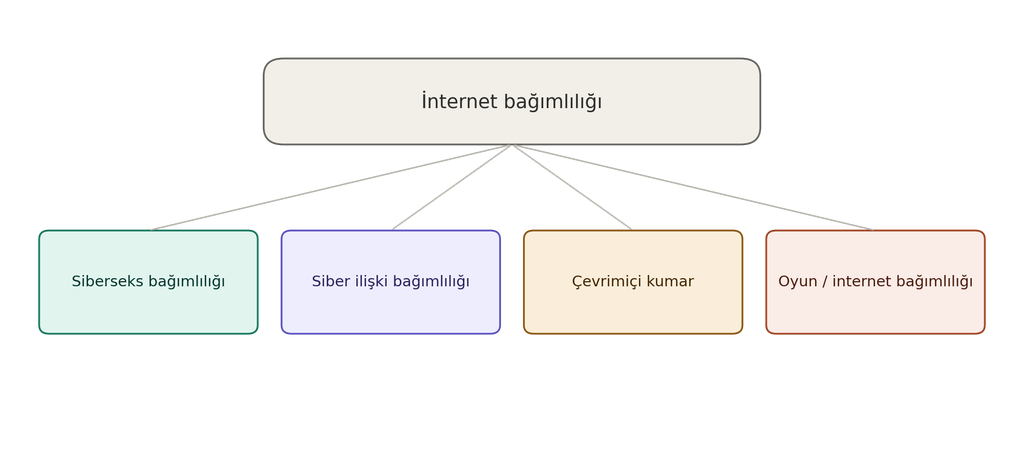
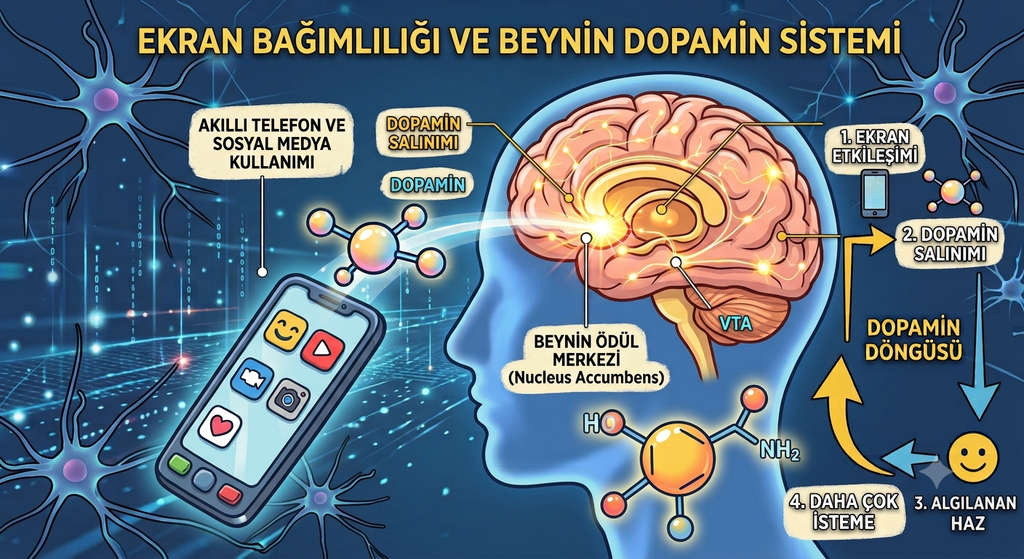
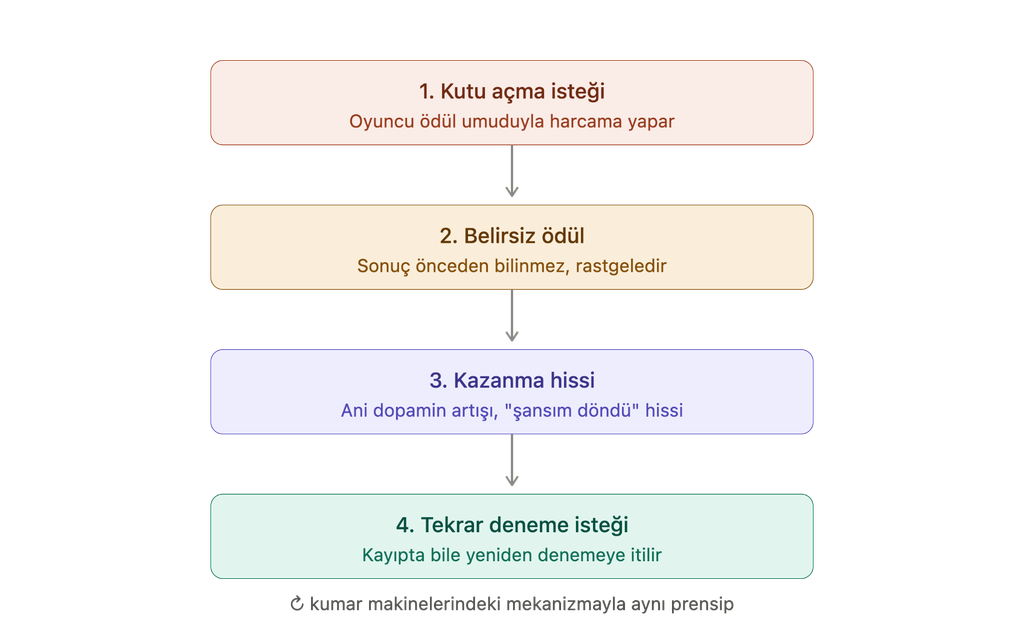
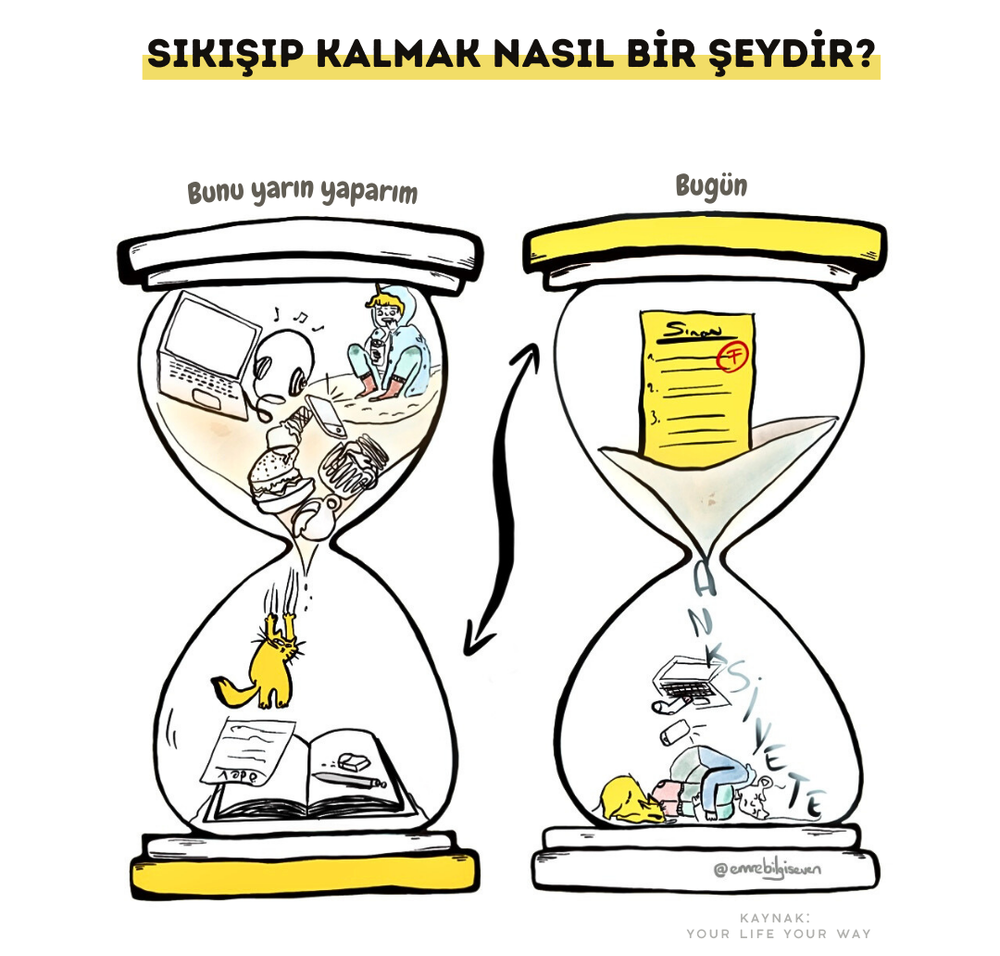
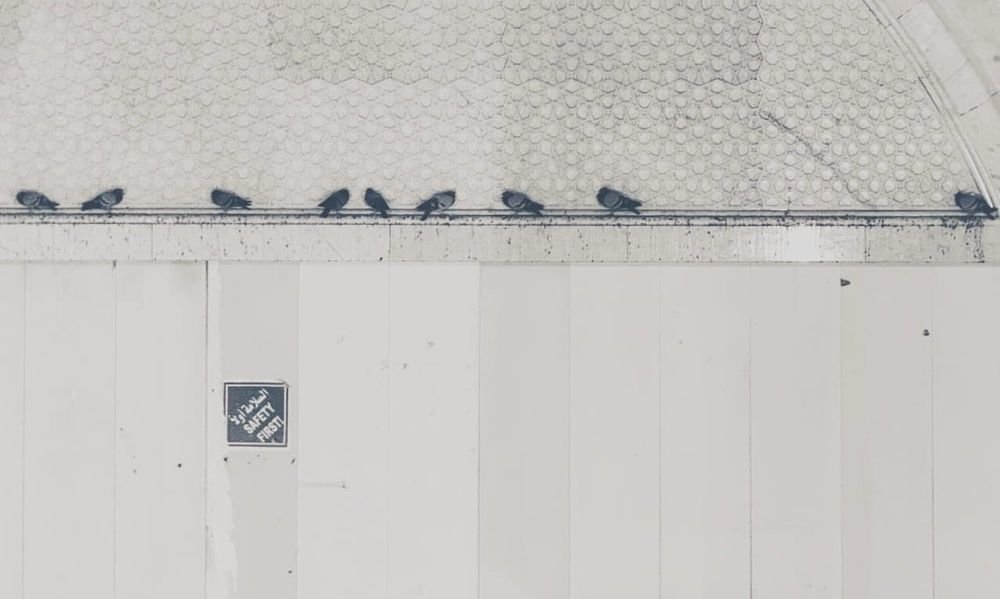
Otherwise, the child may withdraw to their room, put on headphones, and approach their family or parents with anger and insults. Over time, they may get caught in a musical vortex that entices them with addictive content, drags them into a bohemian atmosphere, and fuels their despair. They become trapped in a cycle with the frustration of not being able to do what they want in this vortex. Instead of setting their own time and exploring, they begin to experience the weight of a paradox where they are stuck in time. The hourglass metaphor you see below summarizes the situation.

Aile İçinde “Ben”den “Biz”e Yolculuk Serisi (1/3) Biz Gözüyle Bakabilmek

Bugün bir olamamak, biz diyememek, birbirimizin nefesini hissedememek, omuz omuza gelememek bizi kendi başımıza olma cezasına mahkûm ediyor. Bu noktada, toplumun yani umumun kalbinin nerede attığını kendimize sormak gerekiyor. Çünkü bu soru bize değerlerimizin ve önem sıralarımızın da ipuçlarını veriyor.

Hayat bize bazı şeyleri elimize tutuştururken, biz de sürekli bir şeyler harcıyoruz. Peki bugün neyi, nasıl harcıyoruz? Zamanımızı, sevgimizi, sabrımızı, umudumuzu… Bunları nereye yönlendirdiğimizi görmek hem aile içinde hem toplumda kim olduğumuzu gösteren bir aynadır.

  • Mesela sabah kahvaltı masasında telefonla meşgul olan aile fertlerini düşünün. Her biri kendi ekranında, kendi dünyasında. Zamanlarını harcıyorlar ama birbirlerine değil, sanal bir dünyaya.
  • Ya da çocuğun okul başarısı hakkında konuşurken, onu dinlemek yerine hemen çözüm üretmeye odaklanan ebeveynleri düşünün. Sabrımızı harcıyoruz ama hangi yöne?

Şunu çok iyi biliriz ki insan yalnız yaşayamaz ve yine insan birliktelik içinde anlam bulur. Ve aile bireyleri bu anlamı, kalplerinin attığı yerde aidiyetini hissedecek ve sevgi ihtiyaçlarının önemini duyumsayacaklardır. Ve bu geçiş, sadece duygusal yakınlık sağlamaz; aynı zamanda dayanıklılığı da artırır. Zorluklarla karşılaşıldığında birlikte hareket eden aileler, krizleri de daha kolay aşar. Ancak vaktini, kuvvetini, değerlerini çocukları için harcayamıyorsa, oturduğu koltuk daha da ağırlaşmaya başlar. Yorgun bedenimiz ise o andan itibaren ‘neden ben?!’ demeye, çocuklarını anlayamadığı bir yere doğru götürmeye başlar.

Birlik yerine ayrışma örneği: Mehmet’in Hikâyesi

17 yaşındaki Mehmet diyelim, arkadaşlarıyla bir projede çalışmak için dışarı çıkmak istiyor. Annesi hemen tepki veriyor:

¬Ne projesi, eğlenmeye gideceksin sen!”

Anne haklı da olabilir haksızda olabilir ancak burada buna bakmıyoruz. Burada bir “birlik” sorunu var. Anne, oğlunun dünyasını anlama yerine kendi korkularından hareket ediyor. Oysaki biraz sabır gösterip gerçekten neyin peşinde olduğunu öğrenseydi, belki de ona destek olabilecekti. Ben” demek kolaydır: “Ben haklıyım, benim dediğim olsun.” Ama “biz” diyebilmek, biraz tevazu, biraz sabır ve biraz da güven ister. 

⁉️

Birbirimizi Anlamak Neden Bu Kadar Zor? Gerçekten soruyorum. Çocuklarımızı tanımayı ve onlardan öğrenmeyi istiyor muyuz?

Bugün gençleri anlamakta zorlandığımızı dile getiriyoruz; çünkü kendimizi ve kardeşlerimizin derdini anlamakta da yetersiz kalıyoruz. Oysa umre ya da hac yolculuğuna çıkanların ilk tecrübesi, “Nasıl bir oluruz?” sorusudur. Orada insanların nabzını yoklayarak birlik olmayı öğreniriz. Burada da aynı ihtiyacımız var: yeniden tanışmaya, yeniden “biz” olmayı öğrenmeye. Hac ve umre deneyimi aslında çok güzel bir örnek. Farklı ülkelerden, farklı kültürlerden insanlar aynı kıyafeti giyer, aynı ritüelleri yapar, aynı yöne doğru yönelirler. “O anlarda ‘Ben kimim?’ sorusu yerini ‘Biz kimiz?’ sorusuna bırakır.

Peki aile içinde de böyle anlarımız oluyor mu? Evde ve işte; ben hangi kimliğimi öne çıkarıyorum, hangi yanımı geri planda bırakıyorum? Bu soruyu bir kâğıda yazın. Ardından 20 dakika boyunca serbest yazım tekniğiyle, sadece akışa bırakarak bu soruya cevap verin. Şimdi okumayı bırakıp, kaleminizi alın ve bu anlarınıza odaklanın.”

Yazdıysanız eğer şu an nasıl hissediyor, gönlünüze düşen ‘ya olsaydı’ dediğiniz o şey her ne ise buna kulak verelim. Çünkü bu ses gerçekten anlamlı bir yere doğru giderken gelen bir işaretçidir. Ümit ederek devam edelim.

“Ben” yerine “BİZ” diyebilmek, küçük hatalardan ötürü büyük iyilikleri unutmamak, kıskançlıktan uzak durmak, tevazu ile kendini küçük görmek, dayanışma ruhuyla birbirimizin ihtiyaçlarını tamamlamak, kardeşlerin hatasını affetmek, barışı seçmek… Bu maddelerin her biri aslında aile yaşamında somut karşılıkları olan şeyler.

  • Mesela “tevazu ile kendini küçük görmek” derken, ebeveynlerin çocuklarına “Ben senin yaşındayken böyle değildim” demek yerine, “Ben de senin yaşındayken hatalar yaptım, o dönemdeki hislerimi anlayabiliyorum” demesini kastediyoruz.
  • Çocuklar arasındaki kıskançlık konusunda da aileler sıklıkla hata yapıyor. Ailedeki büyük çocuk, küçüğü doğduğu zaman yaşadığı zorluğu unutuyor ebeveynler. “Artık büyüksün, kardeşini kıskanma” diyorlar. Oysa o çocuğun hissettiklerini anlamak, onunla empati kurmak, sonra birlikte çözüm aramak çok daha sağlıklı ve kolay.

Âile, mutluluk ve ıstırabın müştereken yaşanıldığı, mukaddes bir müessesedir. (Ali Rıza Demircan)

Geçmişi Aydınlatmak

İnsan dünyaya takıldığı gibi zihni bir noktaya takıldığında da akamaz. Takıldığı şey de kendi ayağına sarılmıyor; aksine bildiğiniz tekme atabiliyor:)

Unfinished conversations, incomplete stories, like water stuck in a knot of a rope, the mind gets stuck in these knots. These blockages have become not only an individual but also a societal reality. Our neighborhood is surrounded by people who are unseen, unappreciated, unacknowledged. This place is one of the places where our minds and hearts get most stuck because God (c.c.) created man from love and attention.

When we read our own story, when we change our perspective on the past, the same events can gain new meanings in a different light. Like seeing an old photograph from a different angle… And when we can look at the past and draw meaningful conclusions from it, or change that existing sequence, that chain of events that occurred, with positive readings that could be more constructive. However, a critical point is overlooked in this re-reading process.

There is an important detail we fail to notice here: We are doing this from where we are now, meaning we are interpreting the past with our current level of consciousness. Even if we understand things we didn't understand when we were young, when we reach an older age, we may not be aware of the true impact of what we did, what we experienced back then. Because the perceptual world of our childhood selves was completely different; its feelings, understandings, fears, and joys were on a very different plane.

By considering this difference, we can develop a fairer approach. Therefore, when interpreting the past, it will be more constructive to not only use the information from our current adult consciousness but also to involve our child selves from back then and learn their interpretation, listen to their voice. For example, when many people said to us as children, “You’re just like a girl, play tougher, don’t be afraid to fight shoulder to shoulder,” it is a great misconception for us to now sit in our chairs and say, “I am this way because they were telling me that even back then.” In reality, while they didn’t lead to such an interpretation with our childhood minds back then, we are now looking at those years by putting on an ‘adult lens’ and daring to interpret them without including ourselves in that equation. This creates a chain effect that leads the story to wrong conclusions, making us feel like prisoners of a destiny coming from the past.

Peki bu kısır döngüden nasıl çıkabiliriz? İslami perspektiften bakıldığında bu sorunun cevabı oldukça açık. Nasıl ki tövbe edince insan sıfırlanıyor, geçmişinin ağırlığından kurtulup yeniden doğuyor, aynı şekilde istiğfar eden, yaptığı işten pişman olan kişinin durumu da böyledir. Bu kişi artık tanıklığa çağırdığı o eski kişiliğinin geçmişini başka bir yerden, başka bir perspektiften şahit olmayı seçiyor. Tanık olan kameraları başka bir yöne çeviriyor. Bu çok güzel bir metafor, çünkü gerçekten de bakış açımızı değiştirdiğimizde, aynı olaylar bile farklı anlamlar kazanıyor. Haliyle hikâye başka pencerelere açılıveriyor, yeni ufuklar, yeni anlam katmanları ortaya çıkıyor.

Bu yeniden doğuş ve perspektif değişimi bizi daha büyük bir gerçeklikle yüzleştirir. “Rüya gibi bir gündü” deriz ya, işte orası bizim algılamaya, daha doğrusu farkındalığımızı artırmaya çalıştığımız bir alemdir. Bu alem sadece uyku halindeki rüyalar değil, günlük hayatımızda yaşadığımız o tuhaf, gerçekdışı, ama bir o kadar da anlamlı anların olduğu boyuttur. Evet, alem de koca bir rüyadır aslında. Bu perspektiften bakıldığında, fiziksel gerçeklik de bir tür kollektif rüya gibi görünüyor. Dolayısıyla her birimiz kendi rüyasını yorumlayan bir tabirci oluyor, kendi yaşam deneyimlerimizin sembolik anlamlarını çözmeye çalışıyoruz. Hikayesini anlayan, bu farkındalığını bu dünyaya yaklaştırabildiğinde, ötelere doğru yola çıkmış oluyor. Yani sınırlı, dar perspektiflerden çıkıp daha geniş anlayışlara doğru hareket ediyor. Dahası, ötelerdeki diyaloglarını tahayyül ederek, henüz yaşanmamış ama mümkün olan konuşmaları, karşılaşmaları hayal ederek adımlarını atmaya başlıyor.

Bu ruhani yolculuk, aslında pratik bir eğitim sürecini andırır. İnsan nasıl ki egzersiz yaparak bir forma giriyor, kaslarını güçlendiriyor, dayanıklılığını artırıyor, aynı şekilde hayatın içerisinde cemal ve celal perdeleri, kapıları, pencereleri ve duvarları karşısına alarak, bunları geçmeye, aşmaya çalışarak belirli bir formu, belirli bir olgunluk seviyesini yakalamaya çalışır. Bu sayede işin aslına dair fikirler yürüterek, yani olayların gerçek mahiyetini anlamaya çalışarak, kişi kendi hikayesini daha da kapsayıcı şekilde okumasına yardımcı oluyor. Hz. Yusuf için işin tevili, yani hikayenin aslına dair gerçek hakikatini bilen birisi için bunu yapmak varken, bizler kul olarak olayları tevil edemesek de doğru tabir etmek ve doğru anlamlandırmakla yükümlüyüz.

Bizlerin hayatın tabirine girme hali, bizi iki dünyanın ustası yapmaya götüren bir yıldızdır – hem bu dünyada yaşamayı öğreniyor, hem öbür dünyaya hazırlanıyoruz. Bu yıldızı takip ederken yolumuzu bulan ve yolumuzu aydınlatan bir nur kaynağı oluyor.

The Quest for Love and Belonging in Adolescence

Adolescence is the period when love and belonging are most intensely sought; sometimes the traces of this quest are seen in a glance, sometimes in a friendship, and sometimes in an inner window opening to oneself. However, this quest often comes with a sense of lack, with the empty pieces of an incomplete puzzle. From a psychological perspective, making the need for love dependent on a single person or source creates vulnerability. From a spiritual perspective, this lack is the heart's call to find its own roots. As Ibn Ataullah points out, man is invited to see the manifestation in existence; but he is not allowed to get stuck in existence itself. Therefore, the heart always turns towards "a deeper love" and "a more genuine connection."

When adolescents hear this call, they sometimes face loneliness, sometimes stray down wrong paths, and sometimes struggle in their search for meaning. But each time, there is an effort to approach the true source of love in their essence. At this point, parents' greatest responsibility is not only to guide but also to provide a secure foundation; to touch the adolescent's heart without judgment, belittling, or indifference. Because a parent's word is often more lasting than the noise of the outside world.

However, it should not be forgotten that problems also usually stem from internal issues. Familial problems also manifest themselves from the core outwards.

Allah (c.c.) says, اَوَلَمَّٓا اَصَابَتْكُمْ مُص۪يبَةٌ قَدْ اَصَبْتُمْ مِثْلَيْهَاۙ قُلْتُمْ اَنّٰى هٰذَاۜ قُلْ هُوَ مِنْ عِنْدِ اَنْفُسِكُمْۜ اِنَّ اللّٰهَ عَلٰى كُلِّ شَيْءٍ قَد۪يرٌ (165)

Even though you brought twice as much (calamity upon the disbelievers in the Battle of Badr) (in the Battle of Uhud) when a (single) calamity befell you, you said: "(With the Prophet among us and us being Muslims) where did this come from?" Say: "It is from yourselves (and from your disobedience to the Prophet)." Indeed, Allah is capable of all things.

(Al-i Imran: 165)

(In the Battle of Badr, the polytheists lost seventy dead and seventy prisoners, while in the Battle of Uhud, seventy Muslims were martyred.)

In this regard, problems and obstacles can arise naturally, or by people infringing upon their own rights, or from individual mistakes and carelessness. A family needs to understand this issue well in order to stand firm and produce solutions in the face of its problems.

The damage to the sense of belonging opens one of the biggest wounds in a young person's soul. When a young person feels abandoned, they become rootless; the desire to exist and belong weakens. However, they want to be seen and valued. Prophet Muhammad (peace be upon him) approached every segment of society with this sensitivity. He considered respecting the elderly a requirement of faith, saying, "Allah will honor whoever honors an elder on the Day of Resurrection" (Tirmidhi, Birr, 75). He showed compassion to children and youth due to their innocence and purity; he announced that the pen (responsibility for sins) is lifted until they reach puberty (Abu Dawud, Hudud, 17). Thus, he advised the ummah to care for both the elders, who are guided by experience, and the young, who live with innocence.

When a person knows their limits and boundaries, they realize both their own worth and the worth of others. Otherwise, one who forgets their own insignificance sees neither themselves nor others; they are punished by not seeing. The real test for parents is not to compete with their own egos, but to guide them. Because before trying to correct others, a person must first see themselves and address themselves. For one who sees themselves takes the first step towards seeing others. In the race of egos, looking at "who has more money" leads to comparison and greed; but looking at those below one's own level brings humility. This journey begins with being able to say "I don't know." Knowing what you don't know is the first door to learning and understanding.

It should not be forgotten that by taking a young person's hand, one actually touches all of humanity. Giving for the sake of Allah, taking for the sake of Allah, and warming the young person to His love transforms into good deeds that will gain the whole world. As one person, then another, the focus of light increases; if we change what is within us, what is destined for us also changes. The video below actually emphasizes an issue related to this.

A saying attributed to Ali ibn Abi Talib (may Allah be pleased with him) states: "I prefer the opinion of an old man over the determination of a young man."

This saying reminds us that determination without wisdom is fragile. Youth is full of energy and searching; however, its direction gains depth through the opinions and guidance of the elderly. Although a young person may see things definitively, they may not be able to describe them like an elder; because there is a difference in experience between them, and experience allows for a deeper perception.

So what will we do? Shall we not say what we do?!

Do it?! We did it?! A person should always look at themselves and seek purification; they should pray, "Educate me." When we see a young person, we imagine their innocence, and when we encounter an elder, we imagine their worship and experiences. Setting out with the intention of saying "I don't know" makes it possible for a person to achieve brotherhood and take a step towards brotherhood in both this world and the hereafter.

So what is this dangerous move we are making?

Just giving answers to young people. Seeing them as curious, mischievous, flawed and saying "they are just kids, what would they know". At this point, the real shame is to claim to know more than them. However, the young person presents us with their "whys". As they present them, they challenge us, but they do this because they are curious about where we are coming from and where we are going. In the stage called adolescence, they experience those pains and enter into a crisis and search because they move from the "why?" question to the "how?" question. The real journey begins with this "how?" question. It is the land of "hows" where one moves away from their homeland and strives to return there.

And we, most of the time, silence that young person with quick answers. However, what should be done is for the servant to know their own powerlessness and to know what they don't know. This stance is the first step to being able to approach the young person.

In conclusion, the search for love and belonging in young people is not just an individual adventure. This search is a common issue for society, family, and humanity. To see a young person is actually to see a world. When their journey is listened to, not only young people but also we awaken to a new wholeness within ourselves.